Beams Engine Services: Improve Your Vehicle's Efficiency Today
Beams Engine Services specializes in improving automotive efficiency through cutting-edge analysis and customized approaches. Their expert team focuses on key performance indicators such as power and thrust, guaranteeing optimal vehicle operation. With choices in modification and enhancements, they tackle both performance and emissions. As more vehicle owners aim to optimize their vehicle's potential, understanding the benefits and methods of engine optimization becomes essential. What possibilities await those ready to enhance their automotive journey?
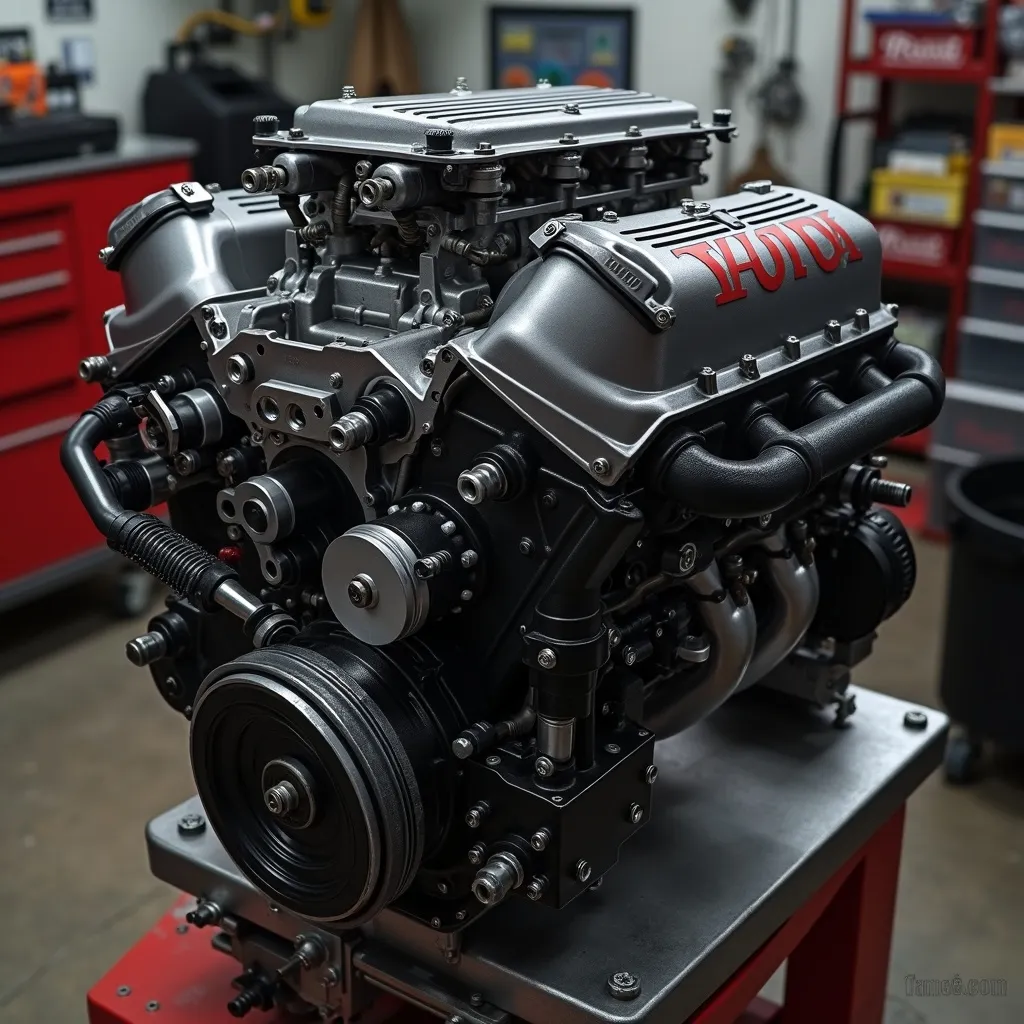
Essential Ideas of Engine Output: Important Measurements Described
Engine performance is a significant component of vehicle efficiency and power. Several vital measurements establish how well an engine performs. Horsepower represents the engine's capacity for work, indicating how fast a vehicle can accelerate. Torque, meanwhile, refers to the turning force created by the engine, necessary for tasks including towing and climbing hills.
Another vital metric is fuel economy, often stated in miles per gallon (MPG). This value measures how effectively an engine transforms fuel into motion, significantly affecting operating costs. Additionally, engine quickness is essential; it assesses how quickly an engine can react to driver inputs, influencing overall driving experience.
Finally, exhaust emissions is becoming more important, demonstrating the engine's environmental impact. Grasping these metrics allows vehicle owners to evaluate efficiency, confirming well-founded choices regarding service and enhancements, ultimately enhancing their driving experience.
How We Improve Your Vehicle Performance
To boost vehicle efficiency, advanced diagnostic techniques are employed to identify underlying issues. These methods provide a clear understanding of a vehicle's state, enabling the application of targeted performance enhancement solutions. By addressing both diagnostics and improvements, ideal vehicle operation can be attained.
Advanced Analysis Techniques
Discovering a vehicle's full potential calls for accurate and advanced diagnostic techniques. At Beams Engine Services, expert technicians employ cutting-edge tools and software to detect underlying issues that may restrict performance. These diagnostic methods encompass extensive scanning of onboard systems, evaluating engine codes, and conducting rigorous performance assessments. By examining parameters such as fuel efficiency, ignition timing, and exhaust emissions, technicians can spot inefficiencies that hamper overall operation. Furthermore, advanced diagnostic techniques support the timely identification of potential problems, allowing for effective interventions. This proactive strategy not only enhances vehicle reliability but also guarantees peak functionality. Ultimately, these meticulous assessments build the foundation for bespoke performance improvements, enabling a vehicle to operate at its finest.
Performance Boosting Strategies
After detecting engine problems through advanced diagnostic techniques, the focus shifts to implementing engine optimization strategies. Beams Engine Services focuses on a range of upgrades created to optimize vehicle performance. These solutions include upgraded intake systems, exhaust components, and motor calibration, all aimed at boost power and acceleration. Additionally, the team provides suspension upgrades and brake upgrades, making certain that vehicles not only perform better but also drive more effectively. By employing quality parts and professional setup, Beams Engine Services ensures lasting improvements. Regular service inspections are also emphasized to sustain improved capabilities over time. Ultimately, these tailored solutions provide drivers with a more engaging and satisfying ride, raising their car's potential to new heights.
Engine Performance Modifications: What Options Are Accessible?
What options are available for boosting engine performance? Vehicle owners have multiple avenues to explore, each catering to different performance goals. One favored upgrade is the addition of a performance-enhancing air intake system, which can increase airflow and improve combustion efficiency. Another choice involves upgrading the exhaust system, allowing for better expulsion of gases, which can enhance power output.
Fine-tuning the engine's electronic control unit is an additional strong way, enhancing fuel delivery and ignition timing for improved efficiency. For those looking for more substantial power gains, forced induction systems can be incorporated, forcing air entering the engine for greater performance.
To summarize, replacing fuel injectors and using high-octane fuel can also promote more robust engine performance. Each of these options offers varied benefits, helping vehicle owners to modify their upgrades according to their performance aspirations and driving needs.
Top 5 Benefits of Superior Engine Efficiency
An enhanced engine performance provides a range of advantages that can greatly boost a vehicle's general functioning and driving experience. Initially, it results in better gas mileage, allowing drivers to go farther on less fuel, lowering total expenses. Second, enhanced efficiency often results in reduced pollutants, contributing to a more environmentally friendly performance. Third, an efficient engine can provide greater horsepower, delivering faster speed gains and improved responsiveness, which can significantly elevate the ride quality. Additionally, optimized engine performance can result in less engine deterioration, prolonging the life of critical components and minimizing maintenance costs over time. Ultimately, enhanced engine efficiency can lead to reduced noise, improving cabin comfort and lowering noise pollution. Overall, these advantages make a compelling case for why vehicle owners should prioritize engine efficiency when evaluating performance upgrades.
The Way Technology Boosts Engine Tuning
In modern automotive engineering, technology plays an essential role in optimizing engine performance. Advanced diagnostic tools offer immediate feedback, supporting rapid fault discovery and enhancing overall efficiency. Additionally, detailed optimization strategies empower technicians to adjust powertrains for maximum power and fuel economy.
State-of-the-Art Diagnostic Tools
Capitalizing on the strength of advanced diagnostic tools transforms engine optimization, enabling both mechanics and automotive enthusiasts to identify operational problems with precision. These tools, equipped with cutting-edge innovations, provide real-time data that highlights motor performance indicators. By leveraging integrated diagnostic systems, technicians can useful guide rapidly assess error codes and locate malfunctions, streamlining the diagnostic procedure. Moreover, diagnostic software analyze vehicle parameters, permitting for thorough assessments of fuel consumption, emissions, and overall engine health. This data-driven approach improves decision-making processes, guaranteeing that repairs are targeted and effective. Ultimately, sophisticated diagnostic equipment not only improve the accuracy of motor evaluations but also contribute to prolonged vehicle lifespan and enhanced performance, rendering them indispensable in modern automotive service.
Perfect fine-tuning procedures designed to elevate overall functionality
State-of-the-art diagnostic instruments pave the way for precision tuning techniques, which deploy modern technological systems to perfect engine performance. Such practices make use of computer-based software to monitor operational metrics in real-time, making possible calibration adjustments that maximize fuel efficiency and power generation. With the application of advanced mathematical frameworks and analytical review, technical experts can uncover operational shortfalls and execute critical modifications to spark advance, air-fuel ratios, and related systems. Notably, dynamometer testing furnishes crucial perspectives on performance changes, assuring every adjustment produces observable improvements. Via precision tuning, vehicles can achieve improved reaction and general reliability. This engineering approach optimizes engine performance while promoting service life, making engine calibration an indispensable element of advanced engine optimization.
Success Tales: The Way Engine Optimization Changed Existence
Engine modification has revolutionized countless lives, enhancing not only vehicle performance but also the ride quality itself. For many motorists, the advantages have been life-changing. One person, a young business owner, reported that after optimizing his car's motor, he noticed a substantial boost in gas mileage, enabling him to reduce costs on gas and put funds in his growing business. Another success story comes from a family who, after engine tuning, found their road trips more enjoyable due to improved acceleration and maneuverability, creating cherished moments on the highway.
Furthermore, car enthusiasts have learned that engine tuning not only amplifies horsepower but also strengthens overall fulfillment with their vehicles. The thrill of driving a finely tuned engine has sparked passions for many, making each journey memorable. These examples showcase how engine optimization at Beams Engine Services transcends mere mechanics, impacting lives and creating strong bonds between drivers and their vehicles.
Getting Started With Beams Engine Services: A Roadmap
To commence the journey of improving driving efficiency with Beams Engine Services, drivers should initially execute in-depth research on the various services provided. This encompasses grasping motor performance tuning, performance upgrades, and inspection solutions customized to specific vehicle types.
Next, potential clients should evaluate their cars' present states and identify specific performance objectives, such as enhanced horsepower or gas mileage. Consulting with experienced staff at Beams Engine Services can provide guidance into the most beneficial services for each car's requirements.
Booking an initial consultation is imperative, as it gives drivers to discuss their priorities and obtain personalized recommendations. In addition, reading testimonial accounts and testimonials can assist in evaluating the reliability and effectiveness of the services.
Finally, drivers should get ready for any necessary adjustments or repairs, making sure their cars are ready for optimal efficiency enhancements. By adhering to these guidelines, motorists can successfully initiate their performance-enhancing experience with Beams Engine Services.
Regularly Posed Questions
How much time Does an Engine Performance Upgrade Take?
An engine performance upgrade generally takes anywhere from a few hours to a number of days, contingent upon the complexity of the adjustments and the specific vehicle. Thorough planning and scheduling can substantially alter the overall timeframe.
Do Performance Enhancements Cancel My Vehicle's Protection?
Performance modifications may conceivably invalidate a vehicle's warranty, depending on the manufacturer's policies. It is vital for vehicle owners to examine warranty terms and contact professionals to understand the implications of modifications before proceeding.
Which Types of Vehicles Can Benefit From Your Solutions?
Several vehicles can take advantage of performance modifications, including sports cars, trucks, and SUVs. Enhancements can enhance speed, handling, and fuel efficiency, drawing interest from automotive enthusiasts and typical drivers seeking a more dynamic driving experience.
Are There Any Risks Associated With Engine Performance Enhancements?
Yes, engine performance improvements can create risks such as increased deterioration, likely heat issues, and canceling coverage. Careful assessment and professional advice are necessary to reduce these risks and confirm secure modifications.
What Intervals Should I Service My Engine for Best Performance?
For peak performance, an engine should be serviced every 5,000 to 7,500 miles, depending on the vehicle and driving conditions. Routine upkeep ensures durability and peak performance, decreasing the likelihood of costly repairs and performance issues.